
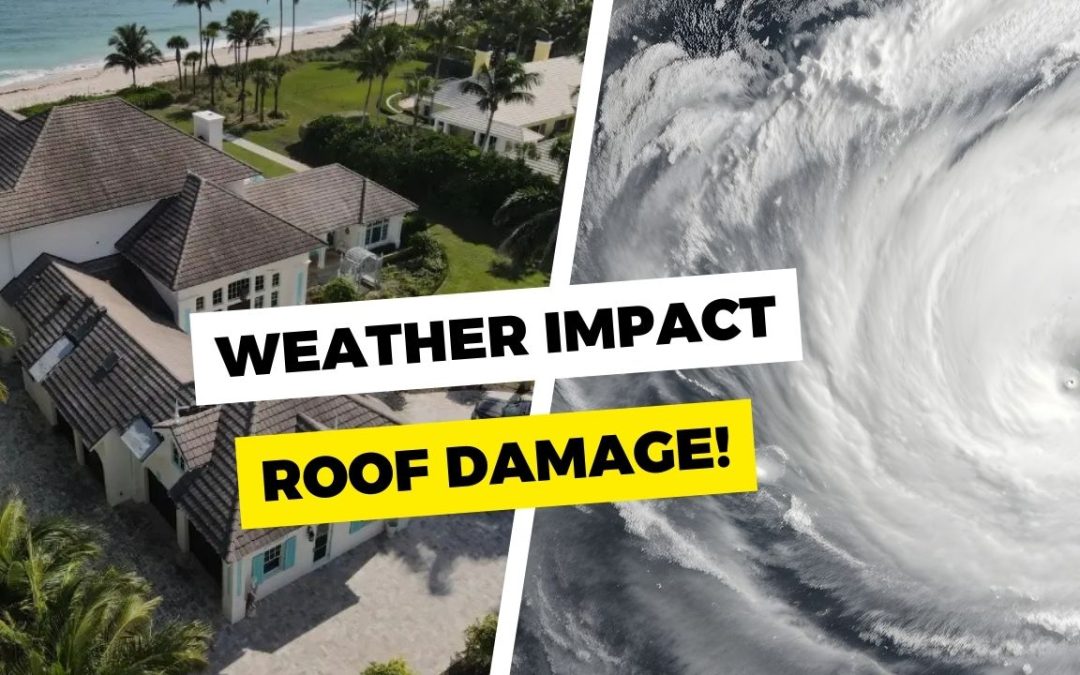
How Florida Weather Impacts Your Roof in Vero Beach
Living in Vero Beach, Florida means waking up to stunning ocean views, warm breezes, and sunshine almost every day of the year. But that paradise comes with a price — and your roof pays it. Between relentless UV exposure, torrential rain, oppressive humidity, salt air, and the ever-present threat of hurricane season, roofing systems along Florida’s Treasure Coast age significantly faster than those in nearly any other region of the country. Understanding why this happens is the first step toward protecting one of your most valuable investments.
The Sun Is Working Against You
Florida earns its nickname. With an average of 233 sunny days per year, Vero Beach homeowners enjoy more sunlight than most of the country — but that same sunshine is silently degrading your roof. Prolonged UV exposure breaks down the chemical bonds in roofing materials over time, causing shingles to dry out, crack, and lose their protective granules. Once those granules are gone, the underlying asphalt becomes exposed and vulnerable to everything else the Florida climate throws at it.
Beyond UV, the sheer heat is a problem. Florida rooftops can reach temperatures well above 150°F on a summer afternoon. That extreme heat causes roofing materials to expand, and as temperatures cool in the evening, they contract. This repeated expansion and contraction — day after day, year after year — weakens shingles, loosens fasteners, and compromises the integrity of flashing around vents, chimneys, and skylights. Over time, these small movements create gaps and cracks that allow water to penetrate.
Humidity and Rain: A Year-Round Battle
Florida doesn’t have a “dry season” so much as a “slightly less wet season.” Vero Beach averages around 52 inches of rainfall annually, much of it arriving in intense, fast-moving storms. That volume of water, combined with near-constant humidity, creates ideal conditions for mold, algae, and moss growth on roofing surfaces.
You’ve likely seen the dark streaks running down rooftops in your neighborhood — that’s algae, and while it may look like simple dirt, it’s actually a living organism feeding on the limestone filler in your shingles. Left untreated, algae and moss retain moisture against the roofing surface, speeding up deterioration and eventually leading to rot in the underlying deck. Humidity also works its way into attic spaces, where poor ventilation allows condensation to build up and quietly damage rafters, insulation, and sheathing from the inside out.
Salt Air: The Hidden Accelerant
One of the more underappreciated threats in coastal communities like Vero Beach is salt air. The closer your property is to the Atlantic, the more salt-laden moisture is constantly settling on every exterior surface — including your roof. Salt is highly corrosive. It accelerates rust on metal flashing, fasteners, and gutters, and it degrades many roofing materials faster than they would deteriorate in an inland environment. Even homes several miles from the water are not immune. During storms, salt spray can travel considerable distances, compounding the damage caused by wind and rain.
If your roof has metal components — and virtually every roof does — salt air corrosion is something to watch for closely and consistently.
Hurricane Season: The Most Obvious Threat
From June through November, Vero Beach and the surrounding Treasure Coast are squarely in the crosshairs of Atlantic hurricane season. Even storms that don’t make direct landfall can bring tropical-force winds, driving rain, and flying debris that causes serious roof damage. Wind-driven rain is especially dangerous because it can force water underneath shingles and into areas that normal rainfall would never reach, leading to leaks that aren’t immediately obvious but cause significant damage over weeks or months.
After any major storm — tropical or otherwise — a professional roof inspection is essential. Some of the most costly roof damage is invisible from the ground. Lifted shingles, cracked seals around penetrations, and damaged underlayment can all allow water intrusion that only becomes apparent during the next heavy rain, sometimes long after the storm has passed.
Flat Roofs Face Unique Challenges
Commercial property owners in the Vero Beach area face an additional layer of complexity. Flat and low-slope roofs — common on retail buildings, warehouses, and offices — are particularly vulnerable to Florida’s climate because they rely entirely on proper drainage systems to move water off the surface. When drains become clogged with debris, or when the roofing membrane develops even a small breach, water pools and sits. Standing water is one of the fastest ways to shorten a commercial roof’s lifespan, as the constant moisture pressure works to find any weakness in the membrane and exploit it.
The heat island effect is also more pronounced on large flat commercial roofs, where there’s no slope or ridge ventilation to help manage temperature extremes. This makes regular maintenance and proper coating systems especially important for commercial property owners.
What You Can Do About It
The good news is that Florida’s climate, as demanding as it is, doesn’t have to mean constant roofing emergencies. Proactive maintenance makes an enormous difference. Here’s what we recommend:
Schedule annual inspections. A qualified roofing professional can identify early signs of wear, sealant failure, flashing issues, and biological growth before they become expensive problems. Most roof failures don’t happen overnight — they develop slowly and are entirely preventable with the right attention.
Inspect after every significant storm. Don’t wait until you see a water stain on your ceiling. After any storm with high winds or heavy rainfall, have your roof checked. The cost of an inspection is a fraction of what water damage remediation can run.
Keep gutters and drains clear. Clogged gutters and drains cause water to back up and sit against your roofline, accelerating deterioration right where your roof is most vulnerable. Clean them at least twice a year — more if you have large trees nearby.
Address algae and moss promptly. If you notice dark streaking or green growth on your shingles, don’t ignore it. Treatments are available that kill biological growth and slow its return, and some shingle manufacturers now offer algae-resistant products for re-roofing projects.
Invest in quality materials rated for Florida conditions. Not all roofing materials are created equal. When it’s time to replace your roof, look for products specifically tested and rated for high-wind and high-humidity environments. It’s worth the investment in the long run.
Your roof is your home or business’s first line of defense against everything Florida’s weather can deliver. At Cutting Edge Roofing, we specialize in helping Vero Beach homeowners and commercial property owners stay ahead of the damage with expert inspections, quality repairs, and full roof replacements built for the Florida climate.
Don’t wait for a leak to find out your roof needs attention. Contact us today to schedule your inspection and protect the investment that protects everything else.